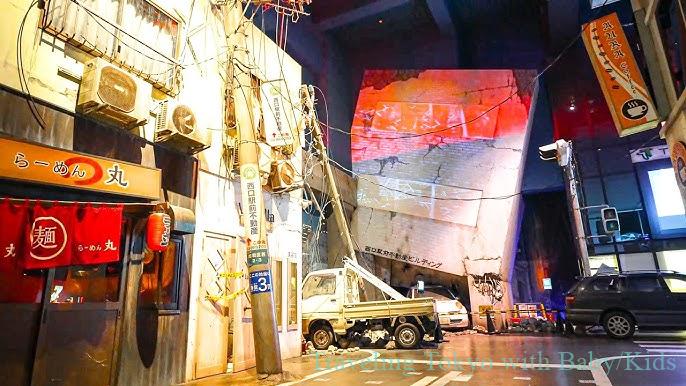
Japan is one of the most earthquake-prone countries in the world.
If a disaster happens during your trip — whether it is an earthquake, tsunami, typhoon, volcanic eruption, or severe flooding — staying calm and knowing where to get reliable information is critical.
If an emergency occurs, remember these two essential steps:
- Gather official information immediately
- Move to a safe location
This guide explains exactly where visitors to Japan should check for accurate, real-time disaster updates.
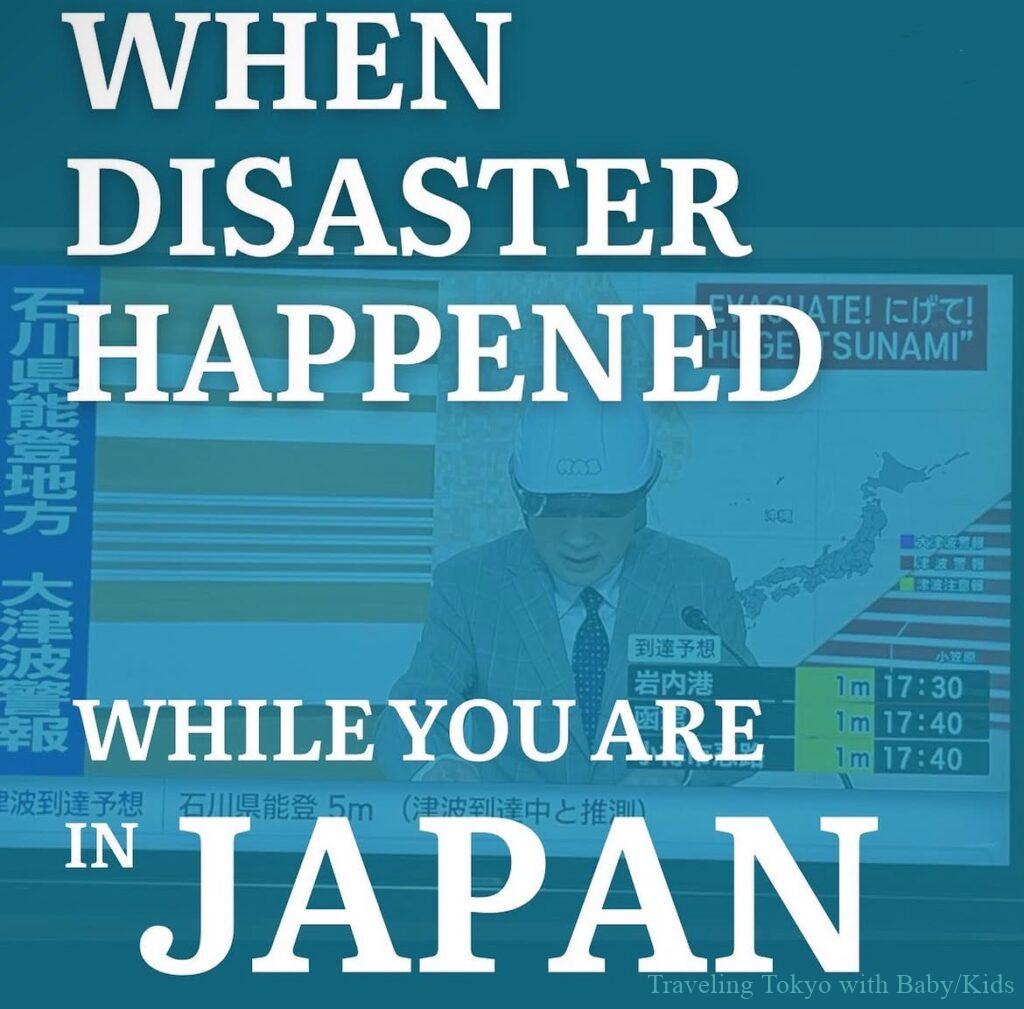
Why This Information Is Important for Visitors to Japan
Natural disasters in Japan can happen suddenly, at any time, and in any region — including major tourist areas like Tokyo, Osaka, and Kyoto.
Knowing how to respond to an earthquake in Japan — and where to find official updates in English — can significantly increase your safety and peace of mind.
Japan has one of the most advanced disaster response systems in the world.
The key is knowing how to access it.
Contents
To Check the latest information
NHK (Japan’s Public Broadcaster)
TV / Radio / Website — Fastest Domestic Updates
Japan Broadcasting Corporation (NHK) is Japan’s national public broadcaster and provides the fastest emergency coverage inside the country.
If a major earthquake or tsunami occurs:
- Turn on NHK Channel 1 on television
- Listen to NHK Radio
- Check the official website
Even if the broadcast is in Japanese, it will deliver emergency alerts and evacuation instructions immediately.
During major disasters, English subtitles may appear.
NHK is often the first source to broadcast evacuation warnings and government announcements.
Official website:
https://www.nhk.or.jp
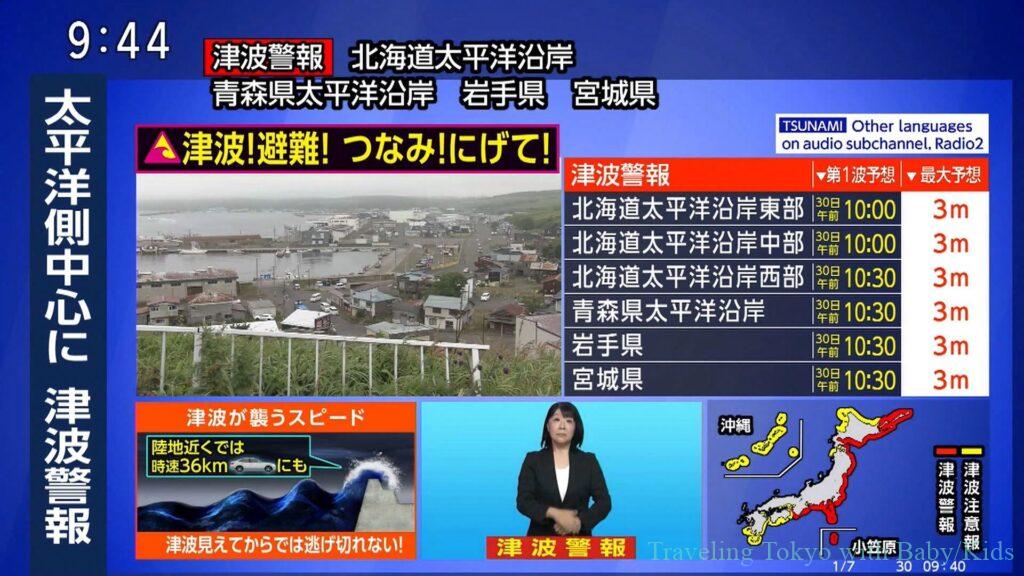
NHK World-Japan (English)
TV / Website — in English
NHK World-Japan is the international English-language service operated by NHK.
Although it is run by the same organization, the editorial team and programming are different.
It does not simply translate Japanese broadcasts above — it creates separate programs tailored specifically for international audiences.
If you need disaster information in English, this is one of the most reliable sources.
Official website:
https://www3.nhk.or.jp/nhkworld/

*Photo from official
Japan National Tourism Organization (JNTO)
Japan Safe Travel — Official Tourist Emergency Updates
Japan National Tourism Organization provides disaster and safety information specifically designed for international visitors.
Their “Japan Safe Travel” page includes:
- Real-time disaster updates for tourists
- Earthquake and tsunami alerts
- Typhoon and heavy rain warnings
- Volcano activity information
- Civil protection updates
- Multilingual safety tips and checklists
Official page:
https://www.japan.travel/en/japan-safe-travel-information/
They also operate a dedicated emergency resource:
Safety Tips for Travelers
https://www.jnto.go.jp/safety-tips/eng/index.html
This page is particularly useful during active emergencies.
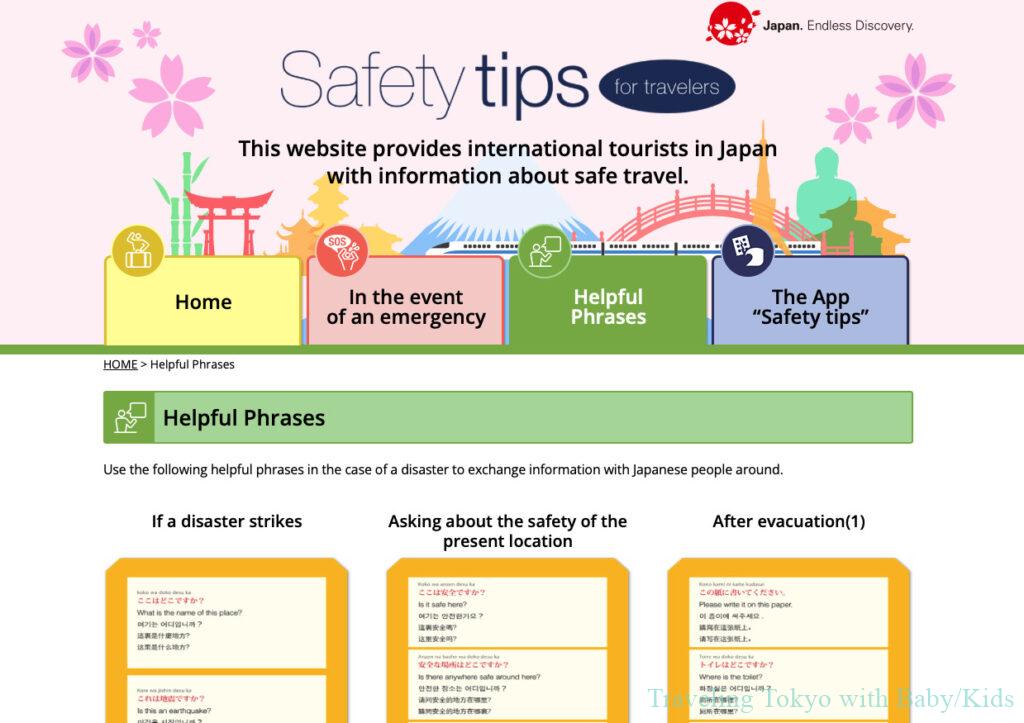
*Photo from official
Japan Meteorological Agency (JMA)
Official Government Authority for Earthquakes & Weather Alerts
Japan Meteorological Agency is the official government authority responsible for:
- Earthquake data and seismic intensity reports
- Tsunami warnings and advisories
- Typhoon tracking
- Heavy rain and flood alerts
- Volcanic activity warnings
If you want the most technical and authoritative data, especially for tsunami forecasts or typhoon paths, use the JMA English website: https://www.jma.go.jp/jma/indexe.html
This is the original source of many alerts used by media outlets.
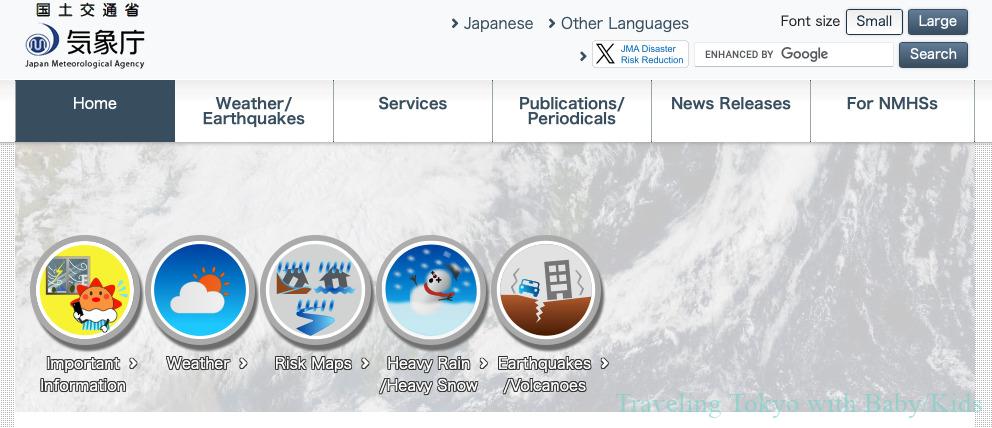
*Photo from official
What Actually Happens Right After a Major Disaster in Japan
(For Visitors to Japan)
If a major earthquake or disaster happens during your trip, here is what you should realistically expect.
Mobile phones may stop working
Power outages and network congestion can make calls and data unavailable.
In that case, check information through radio or television if possible.
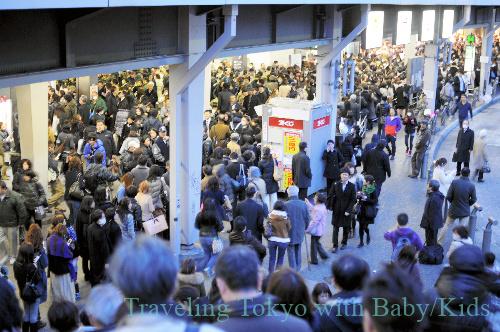
Almost all public transportation stops
Trains, subways, and Shinkansen stop for safety inspections.
People rush to taxis and buses, but they are usually full.
Do not try to move immediately. Staying where you are is often the safest choice.
You may not be able to return to your hotel.
Large numbers of people may become stranded.
Elevators automatically stop
Elevators shut down for safety reasons and may remain unavailable due to aftershocks.
Do not use elevators after a major earthquake.
Aftershocks continue
Major earthquakes in Japan are rarely a single event.
Aftershocks can continue for hours or even days.
Toilets may not function
Water supply and sewage systems may be disrupted.
Emergency portable toilets are sometimes used.
ATMs and vending machines may stop working
Japan still relies heavily on cash.
During power outages, ATMs may be unavailable.
It is wise to always carry a small amount of cash.
Many shops temporarily close
Businesses often close to prioritize employee and family safety.
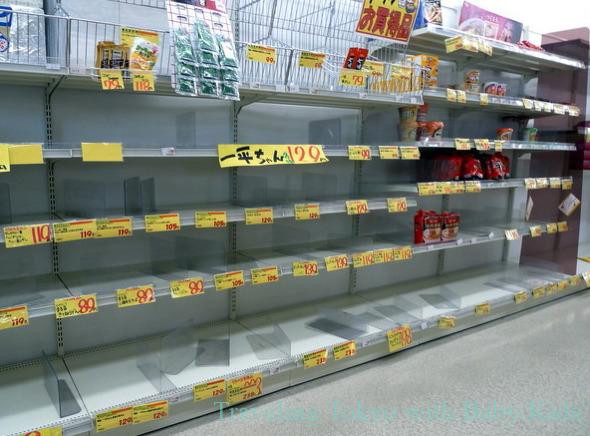
Grocery stores may quickly sell out
Due to panic buying, food and water can disappear quickly.
At evacuation centers, water and basic supplies may be distributed.
In difficult times like this, mutual support and patience become very important.
Useful Information to Know
Free Emergency Wi-Fi: “00000JAPAN”
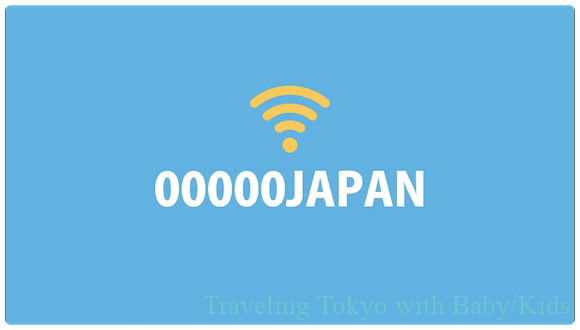
During large-scale disasters, a free public Wi-Fi network called
“00000JAPAN” (Five Zero Japan) may be activated.
Telecommunication companies temporarily open their networks under a common SSID:
✔ No password required
✔ Available only during major disasters
⚠️ Not encrypted — avoid entering sensitive personal information
It is intended to help people gather information and contact others in affected areas.
Public phones often still work
Public pay phones tend to be more reliable during disasters,
although long lines are common.
Disaster Message Dial “171”
Dial 171 within Japan to leave voice messages about your safety.
(It is mainly useful for communication within Japan.)
Evacuation shelters
Local schools and community centers are usually designated as evacuation shelters.
They provide temporary safety.
However, please understand:
- They are not tourist facilities
- Privacy is very limited
- People rest on floors
- Food is basic emergency rations
These places are meant to protect lives, not provide comfort.
If you are unsure, ask a local
Most Japanese people receive disaster training from a young age.
If you feel confused, look for someone calm and follow official instructions.
Convenience stores often reopen relatively quickly
Major convenience store chains in Japan are highly disaster-prepared and may resume operations sooner than other businesses.
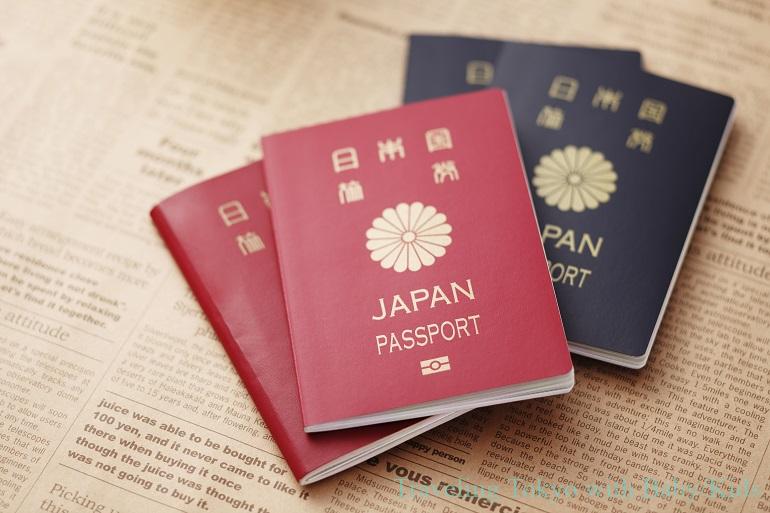
Always carry your passport
In large-scale emergencies, you may need it for:
- Identification
- Embassy assistance
Final Advice for Travelers in Japan
During a disaster, clear, official information is your best tool.
Save this page before your trip, so you are ready^^
If you feel unsure what to do, ask any Japanese person nearby for help — people in Japan are trained to respond calmly to emergencies and will support you.
In 2011, many of us in Japan experienced the unimaginable during the Great East Japan Earthquake.
We learned painful but powerful lessons.
That is why we continue to practice small daily drills, prepare emergency supplies, educate our children, and stay mentally prepared.
Because when disaster strikes, preparation and community are what protect us.
I am registered as a Tokyo Disaster Language Volunteer, and if the time ever comes, I will do everything I can to support those in need.
Still, my sincere wish is that nothing happens during your stay — and that you enjoy Japan safely and happily!
Related Articles
5 Hospitals with Pediatric department which takes international patients, Tokyo Japan
If your child get sick in Japan
Stroller rental information Tokyo, Japan


Be First to Comment