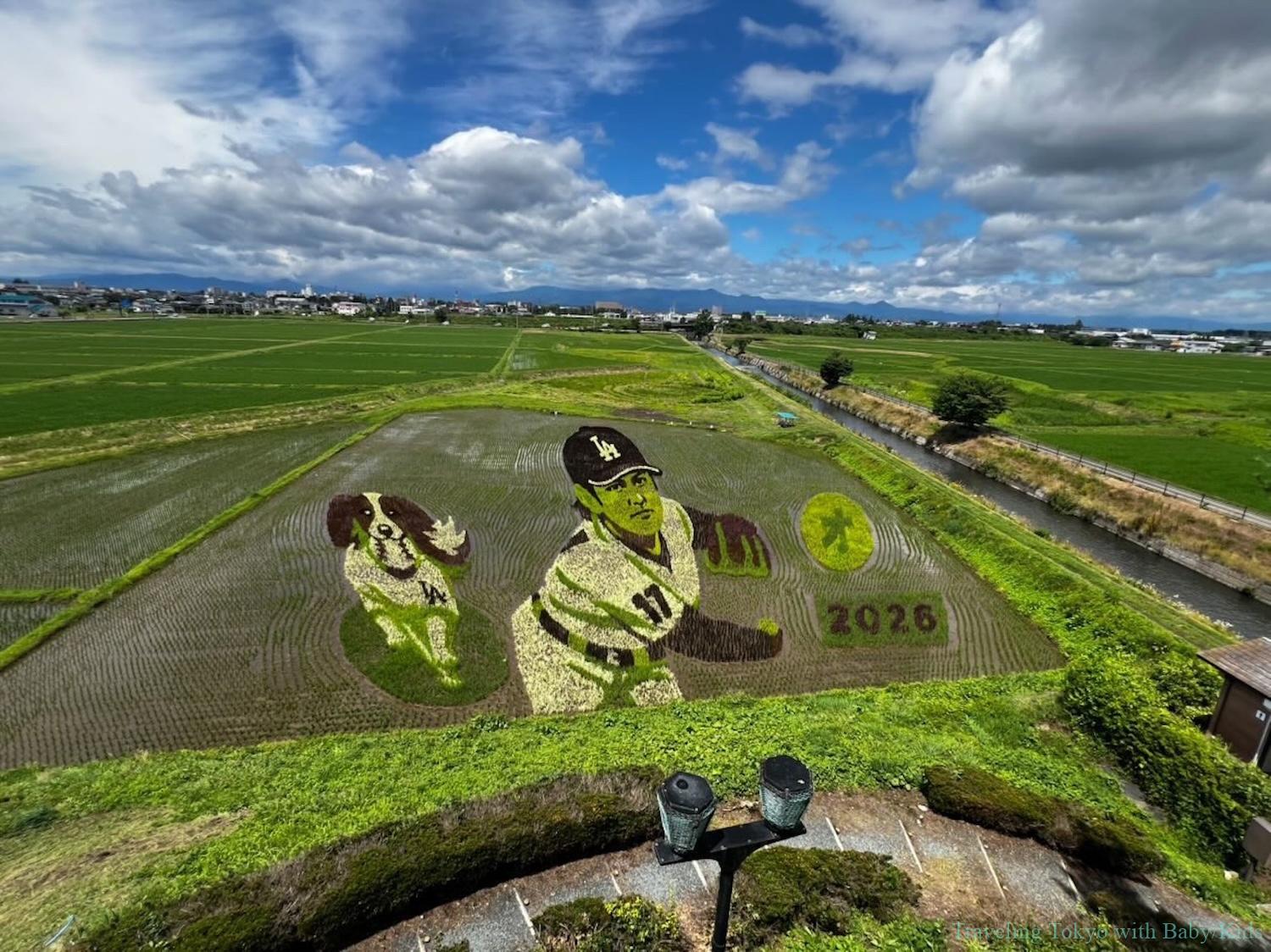
Have you ever dreamed of visiting Shohei Ohtani’s hometown?
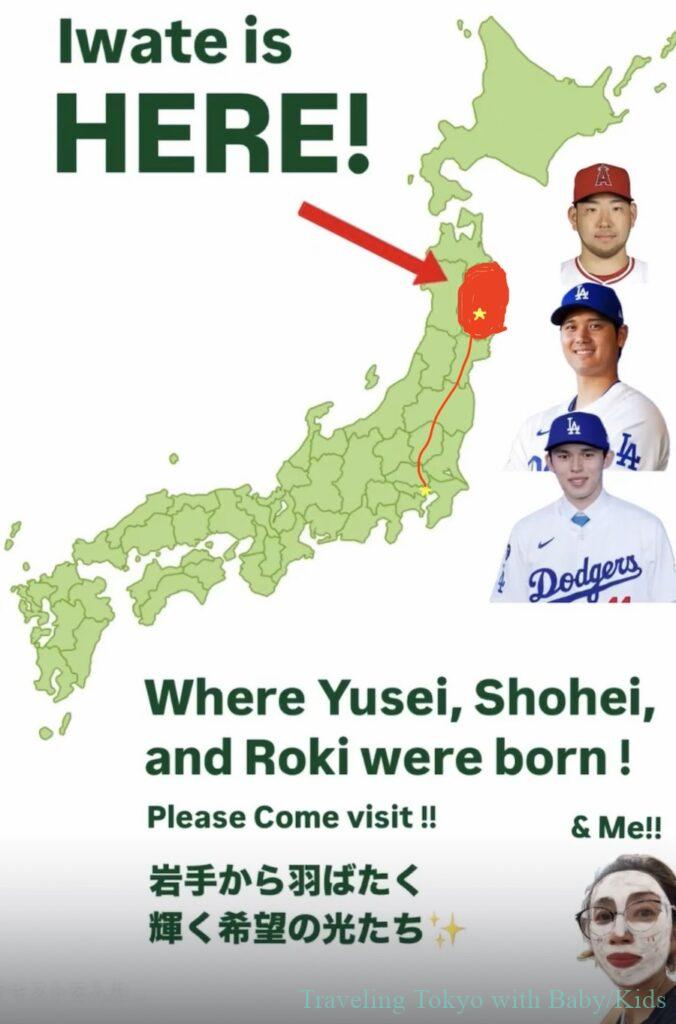
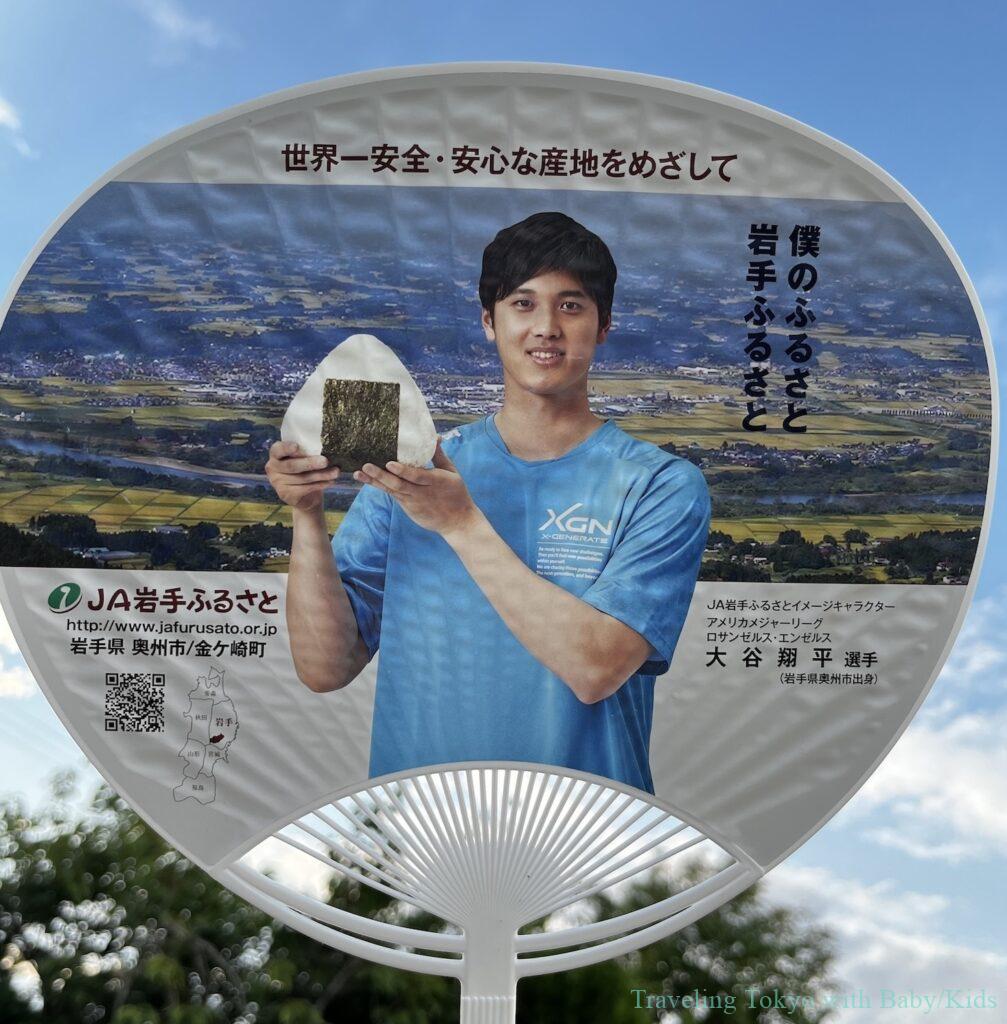
Shohei Ohtani’s hometown is Oshu City, Iwate Prefecture, a peaceful city in Japan’s Tohoku region.
Although he has become one of the world’s most famous athletes, his hometown remains much the same as it was when he was growing up.
In this guide, I’ll introduce some of the places connected to Shohei Ohtani’s hometown, along with a few things every visitor should know before coming.

Contents
Who Is Shohei Ohtani?
Shohei Ohtani was born in Oshu City, Iwate Prefecture, in 1994.
He attended Hanamaki Higashi High School, later joined the Hokkaido Nippon-Ham Fighters in Japan’s professional baseball league, and now plays for the Los Angeles Dodgers in Major League Baseball.
Known worldwide as baseball’s greatest modern two-way player, Shohei has achieved milestones that many once believed were impossible.
His achievements include:
- Multiple American League MVP Awards
- The first player in MLB history to record a 50-home run, 50-stolen base season
- A World Series championship
- A World Baseball Classic championship with Team Japan
Today, Shohei Ohtani is one of the most famous athletes in the world.
But his journey began in a peaceful rural city surrounded by rice fields, mountains, and kind-hearted people.

Must-visit spots
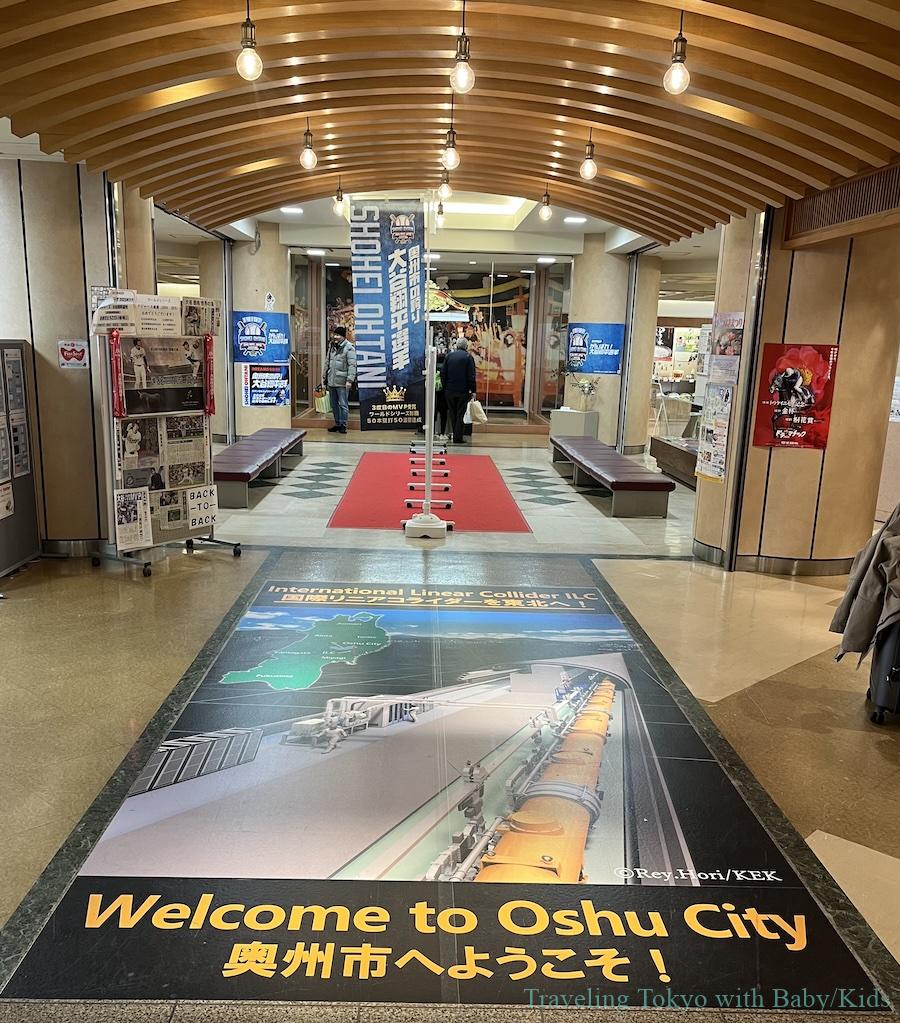
Mizusawa-Esashi Station (Shinkansen Station)
If you’re a Shohei Ohtani fan, this is the best place to begin your journey.
Located about 2.5 hours from Tokyo by the Tohoku Shinkansen, Mizusawa-Esashi Station is the gateway to Oshu City.
Inside the station, you’ll find several displays celebrating Shohei’s career, including:
- The official MLB Shohei Ohtani Manhole, created as part of a special MLB project
- His uniforms
- Autographs
- Newspaper articles
- Photos documenting his career
The manhole has become one of the most popular photo spots for fans and is one of the few officially recognized Shohei landmarks in Japan.
Your visit to Shohei Ohtani’s hometown starts here.


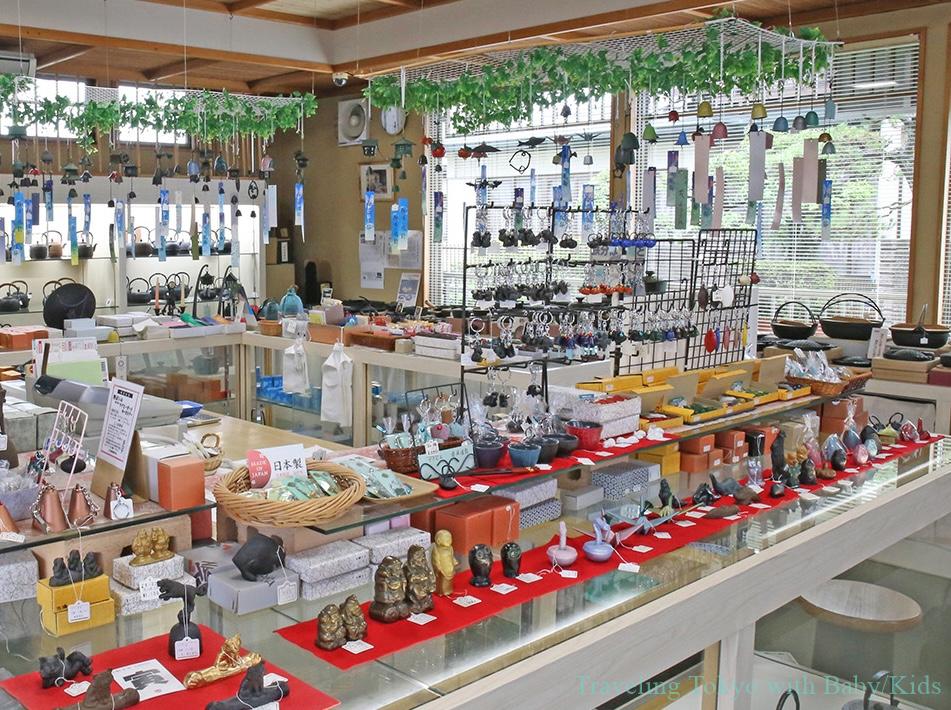
Oshu Traditional Crafts Center (Oshu Nambu Ironware Museum)
Located directly across from Mizusawa-Esashi Station, this museum is well worth visiting.
The region is famous for Nambu Ironware, a traditional Japanese craft with over 400 years of history.
Inside the museum, you can learn about its history, watch how it is made, and browse a wide variety of beautifully crafted ironware souvenirs.
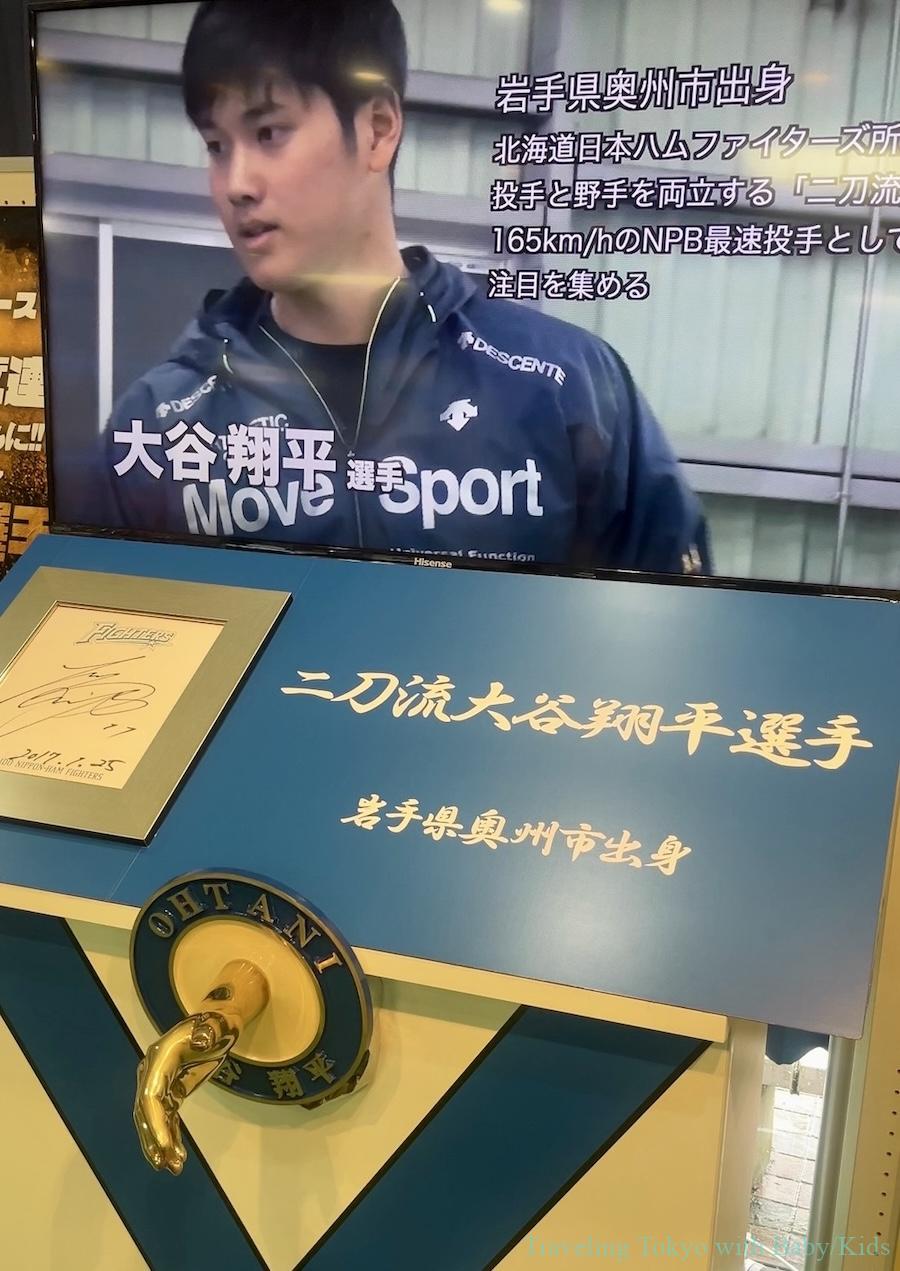
You’ll also find Shohei Ohtani’s life-size bronze right hand sculpture displayed here.
Note: The museum closes at 5:00 PM, so plan your visit accordingly.
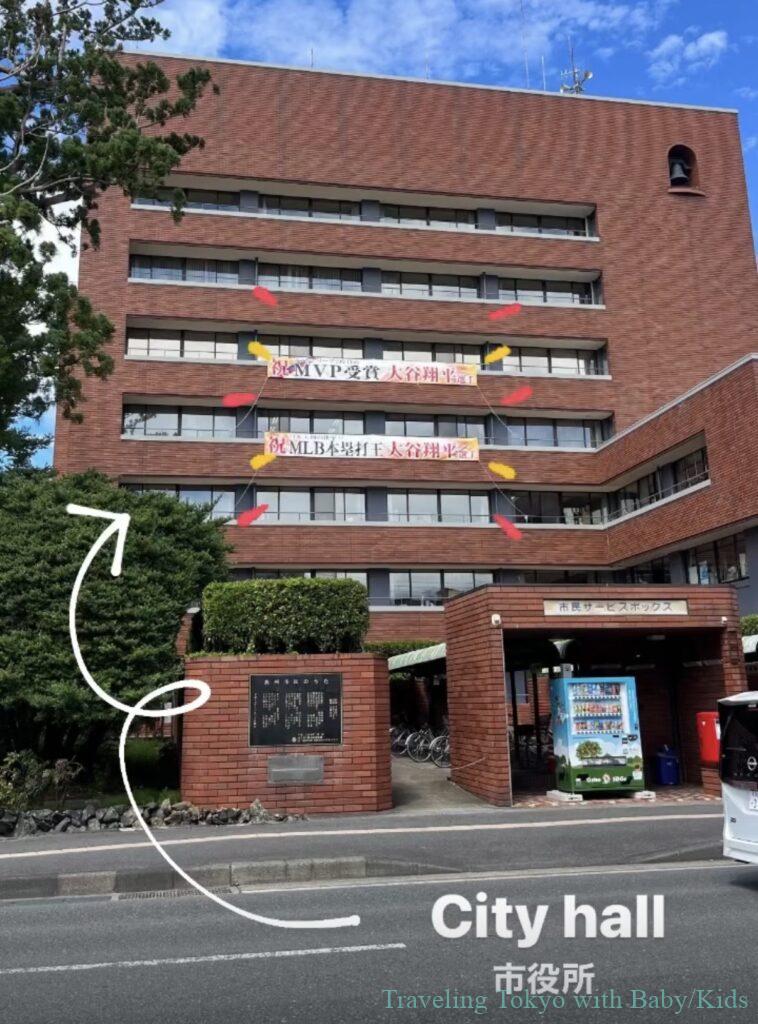
Oshu City Hall
Outside Oshu City Hall, you’ll find another famous Shohei landmark—the life-size bronze sculpture of his right hand.
The sculpture was created using the exact dimensions of Shohei’s hand, allowing visitors to place their own hand against it for a memorable photo.
Most visitors are surprised by just how large his hand really is.
Best of all, it’s completely free to visit. (Note: It closes at 5:15 PM)

Shohei Ohtani Rice Paddy Art (Summer Only)
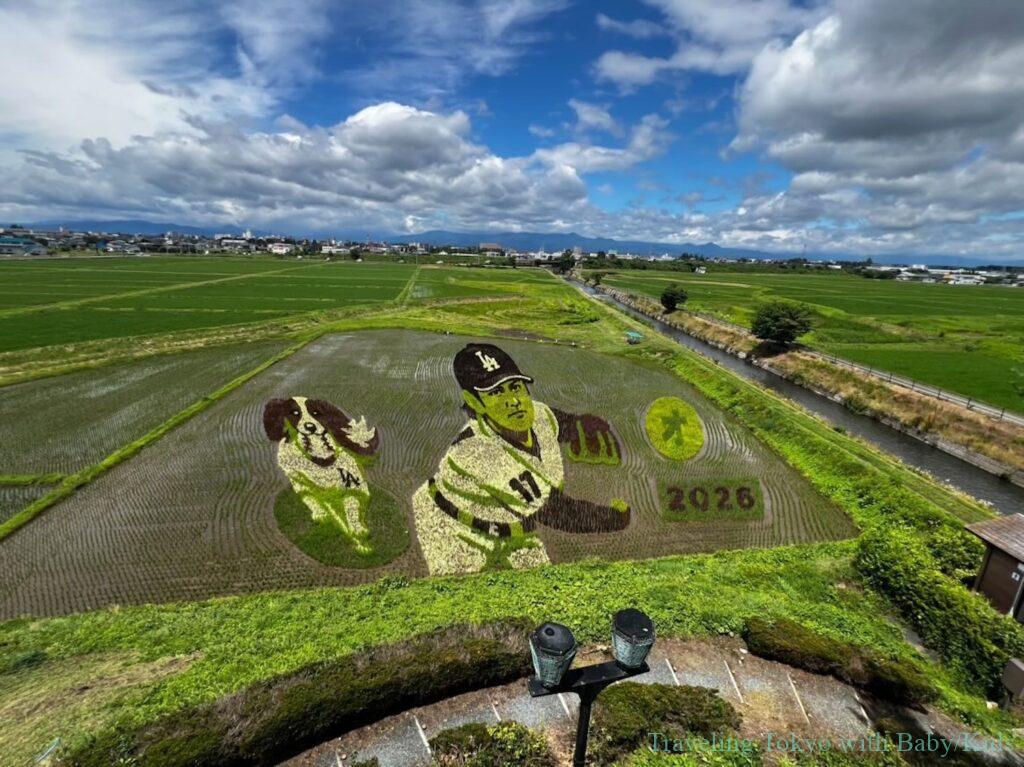
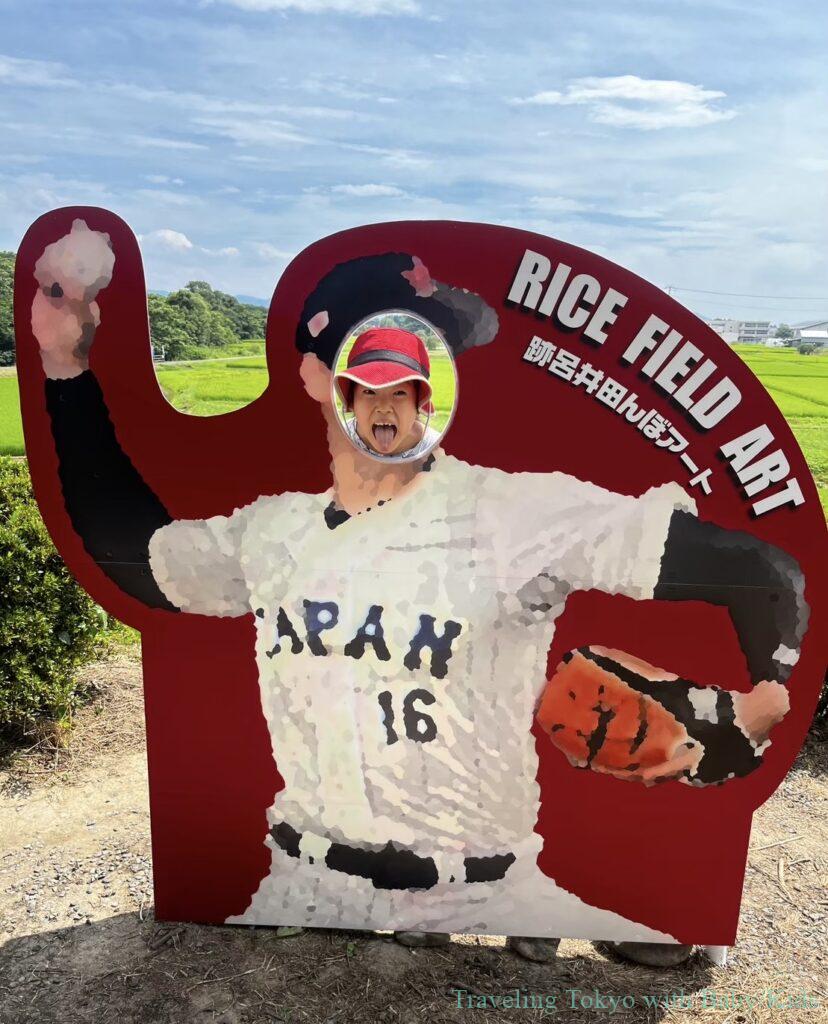
One of Oshu City’s most unique attractions appears only during the summer months.
Every year, local volunteers carefully plant several varieties of rice with different colors to create a gigantic portrait of Shohei Ohtani.
The artwork takes months to complete, and the design changes every year.
It’s not a commercial attraction—it’s a heartfelt community project created with pride and admiration for their hometown hero.
The best time to visit is between July and early September.
Farmers Market “Raimu-kun” (Sanchoku)
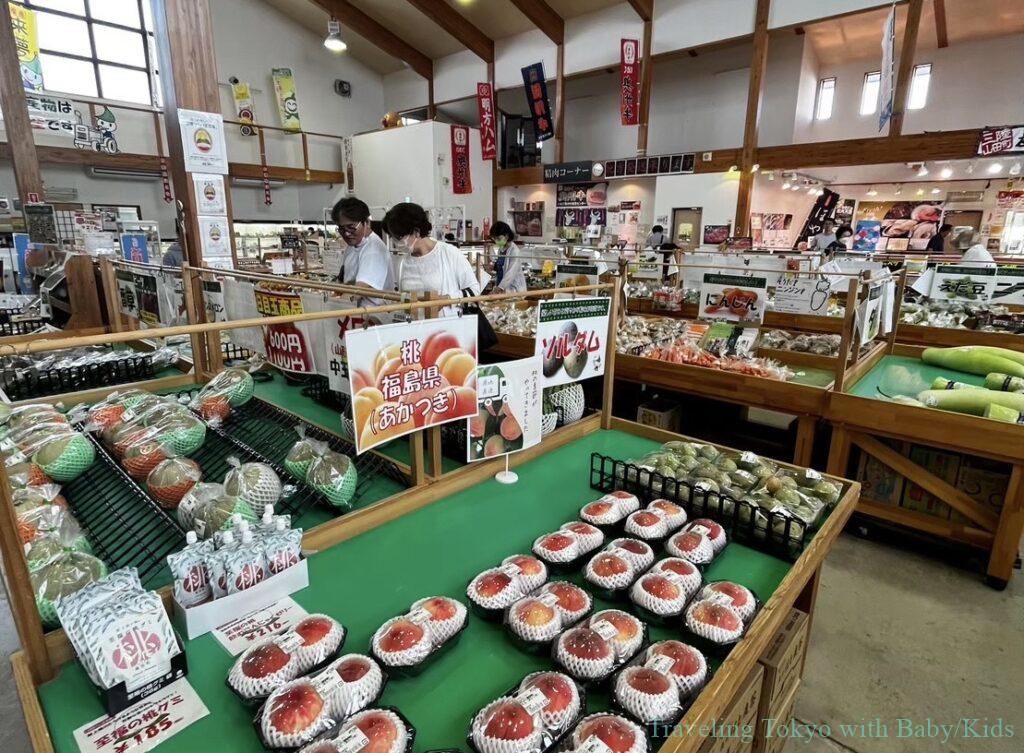
If you’d like to experience everyday local life, don’t miss Sanchoku Raimu-kun.
This popular farmers market is loved by local residents and offers:
- Fresh seasonal vegetables, Fruits, fishes, meats
- Homemade side dishes, Local specialties
- Delicious gelato
You can also see one of Shohei Ohtani’s childhood baseball uniforms displayed inside.
Unlike many tourist attractions, Raimu is where local families shop every day, making it a wonderful place to experience authentic life in rural Japan.

Map
1, Mizusawa-Esashi Station (Shinkansen Station)
2, Oshu Traditional Crafts Center (Oshu Nambu Ironware Museum)
4, Shohei Ohtani Rice Paddy Art (Summer Only)
5, Farmers Market “Raimu-kun” (Sanchoku)

↑Official map by Oshu City is available from here (Japanese only )
Access : How to Get to Oshu from Tokyo
Getting to Shohei Ohtani’s hometown is actually not difficult.
Take the Tohoku Shinkansen “Yamabiko” from Tokyo Station to Mizusawa-Esashi Station.
The journey takes approximately 2.5h, with no transfers required.
As soon as you arrive at the Mizusawa-Esashi station, you’ll already find displays celebrating Shohei Ohtani.
Most attractions can be reached by taxi, but if you’d like to visit the rice paddy art and nearby sightseeing spots, renting a car is the most convenient option.
Before You Visit Shohei Ohtani’s Hometown
There is one thing I’d love every visitor to know before coming to Oshu.
This is not a theme park or not a city built around tourism.
You won’t find skyscrapers, shopping districts, or flashy attractions here.
Instead, you’ll find peaceful rice fields, beautiful mountains, quiet neighborhoods, and people living their everyday lives.
Local residents have always been incredibly proud of Shohei Ohtani—not just because of his achievements, but because they watched him grow up.
Many people here cheer for him almost as if he were their own son or grandson.
At the same time, they have always supported him quietly.
One of the biggest reasons is their respect for Shohei’s family, who have wished to continue living ordinary, peaceful lives despite his worldwide fame.
Because of this, Oshu City has never tried to turn Shohei into a large-scale tourist attraction.
There are very few commercial events, and the community places great importance on protecting the privacy of Shohei and his family.
If you visit, I hope you’ll help preserve that spirit by following a few simple guidelines:
- Please don’t enter private property.
- Please don’t try to find Shohei’s family or former home.
- Enjoy the city quietly and respectfully.
Your kindness and respect will be greatly appreciated by the local community.
Other Amazing Places to Visit Iwate
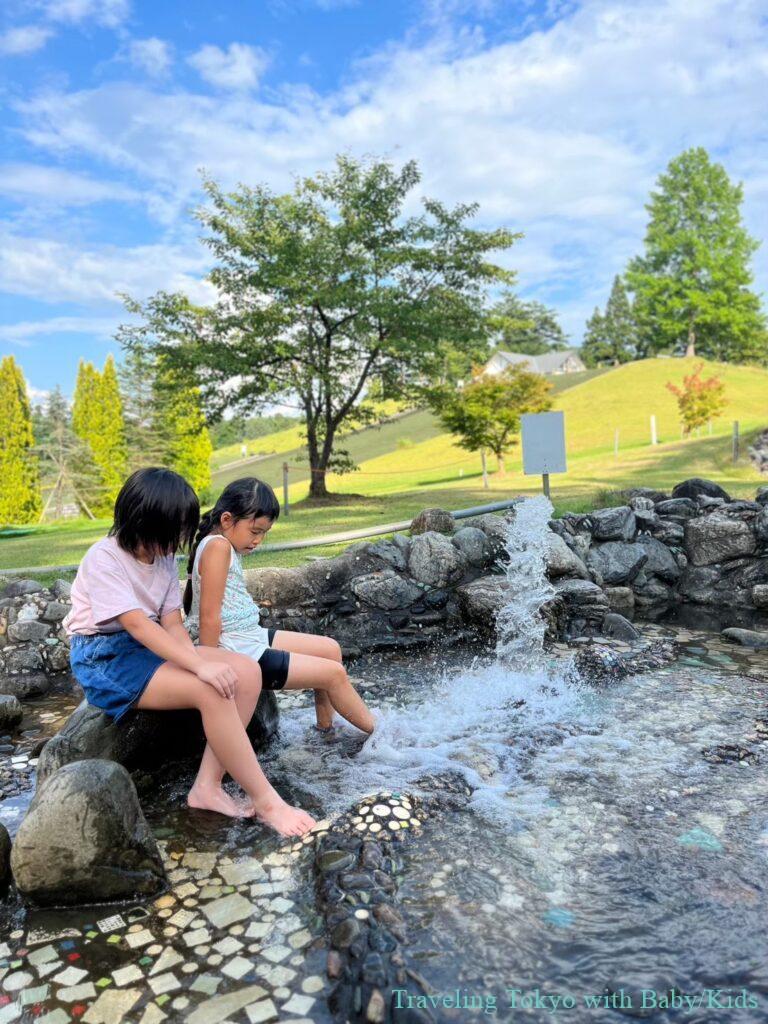
If you’ve traveled all the way to Iwate, there are many incredible places nearby that are well worth exploring.
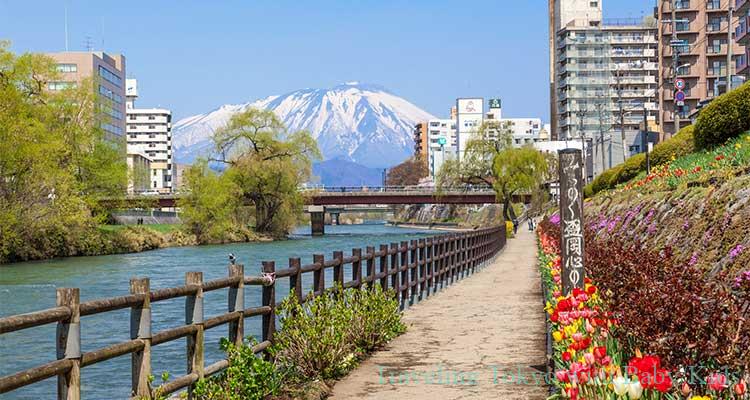
Morioka City
Morioka has recently gained international recognition after being featured by major global travel publications as one of the world’s most exciting destinations.
Unlike Japan’s busy metropolitan cities, Morioka offers a peaceful atmosphere rich in history, culture, and nature.
Some of my favorite experiences include:
- Trying the famous Wanko Soba
- Enjoying Morioka Reimen (cold noodles) and local yakiniku
- Seeing the beautiful Ishiwari Sakura (Rock-Splitting Cherry Tree) in early April
- Skiing or snowboarding at Appi Kogen, one of Japan’s premier winter resorts
Chuson-ji Temple (UNESCO World Heritage Site)
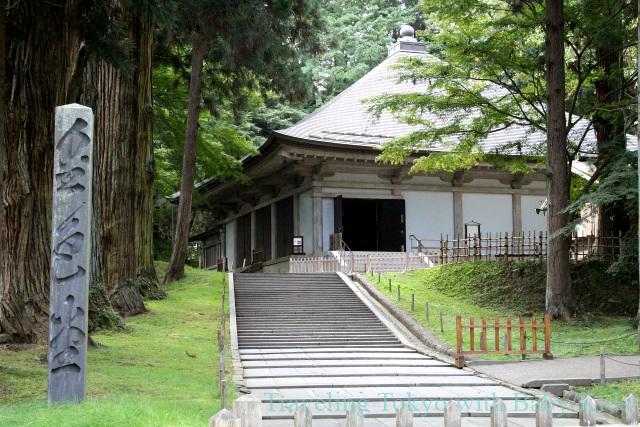
Only about 30–40 minutes by car from Oshu, Chuson-ji is one of Japan’s most important historic temples and part of the UNESCO World Heritage Site of Hiraizumi.
The famous Konjikido (Golden Hall) is breathtaking in every season, while the surrounding cedar-lined pathways create a peaceful atmosphere unlike anywhere else.
If you’re visiting Oshu, I highly recommend adding Hiraizumi to your itinerary.
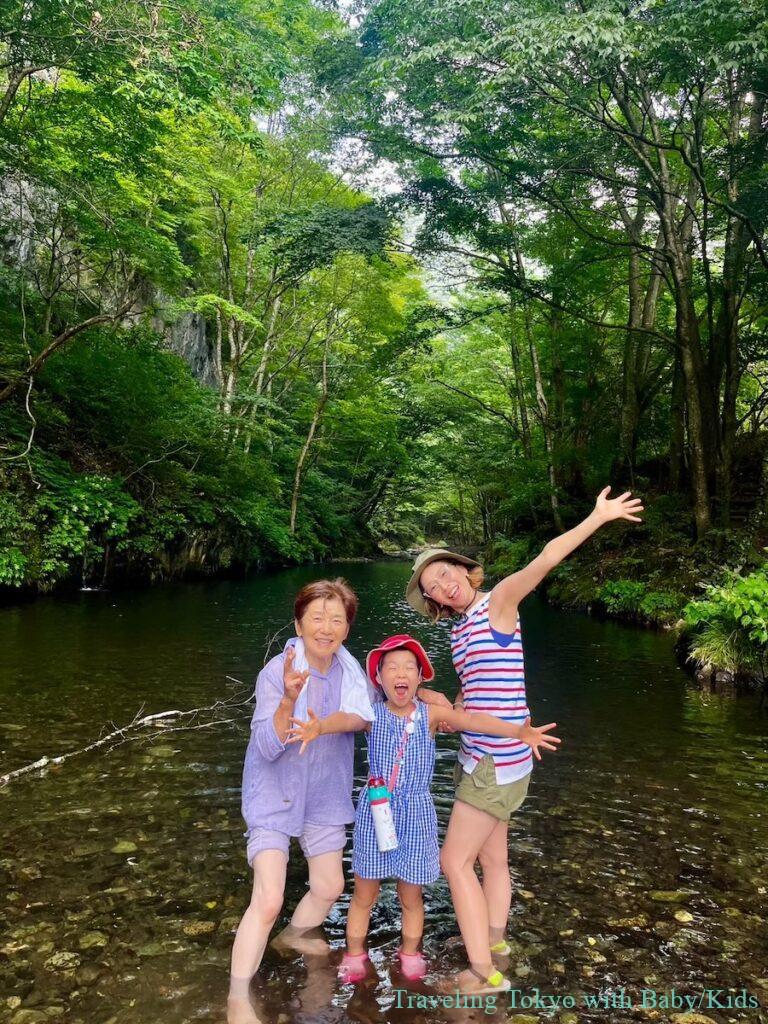
Genbikei Gorge
One of Iwate’s most beautiful natural attractions.
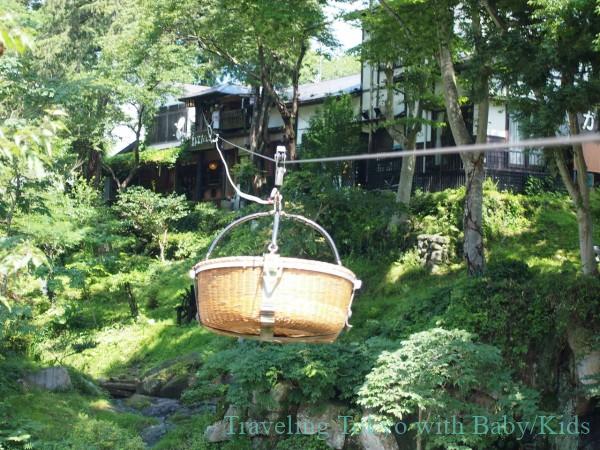
The highlight here is the famous Flying Dango.
After placing your order across the river, freshly made dumplings are delivered to you by rope—a unique experience found nowhere else in Japan.
Tip: The shop usually closes around 3:00 PM, so visit earlier in the day.
Geibikei Gorge
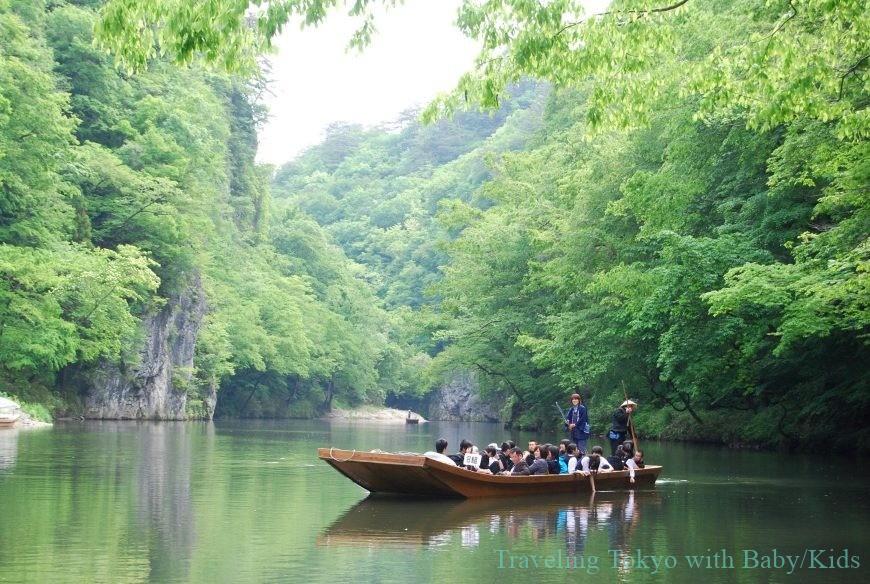
If you’re looking for a relaxing experience surrounded by nature, Geibikei Gorge is a must.
Visitors ride a traditional flat-bottomed boat while a boatman gently rows through the spectacular river gorge.
The scenery changes beautifully throughout the four seasons and is considered one of Iwate’s finest natural landscapes.
Hanamaki Onsen & Osawa Onsen
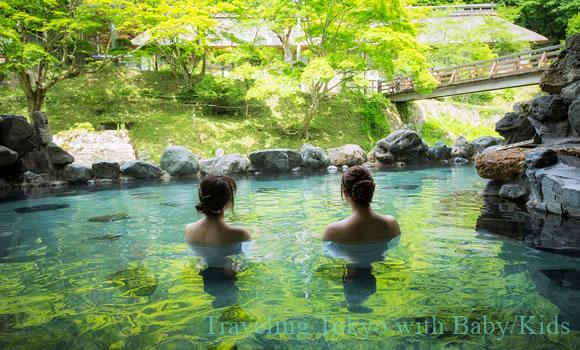
Hanamaki is one of Iwate’s most famous hot spring areas.
Among its many ryokan, Osawa Onsen is my personal recommendation.
Its historic wooden buildings and riverside open-air baths offer an authentic Japanese onsen experience that has remained largely unchanged for generations.
It’s the perfect place to unwind after exploring Shohei Ohtani’s hometown.
Jazz Café Basie (Ichinoseki)
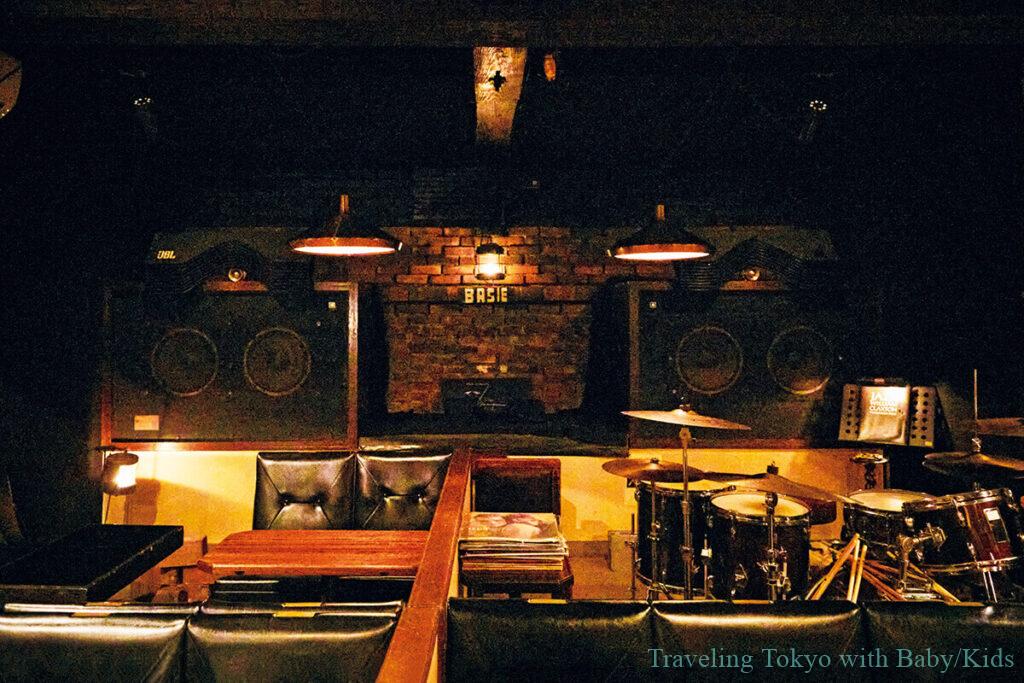
This is one of my personal favorite places in Iwate.
Jazz Café Basie has earned legendary status among jazz lovers around the world thanks to its extraordinary sound system and carefully curated music.
If you love jazz, don’t miss it.
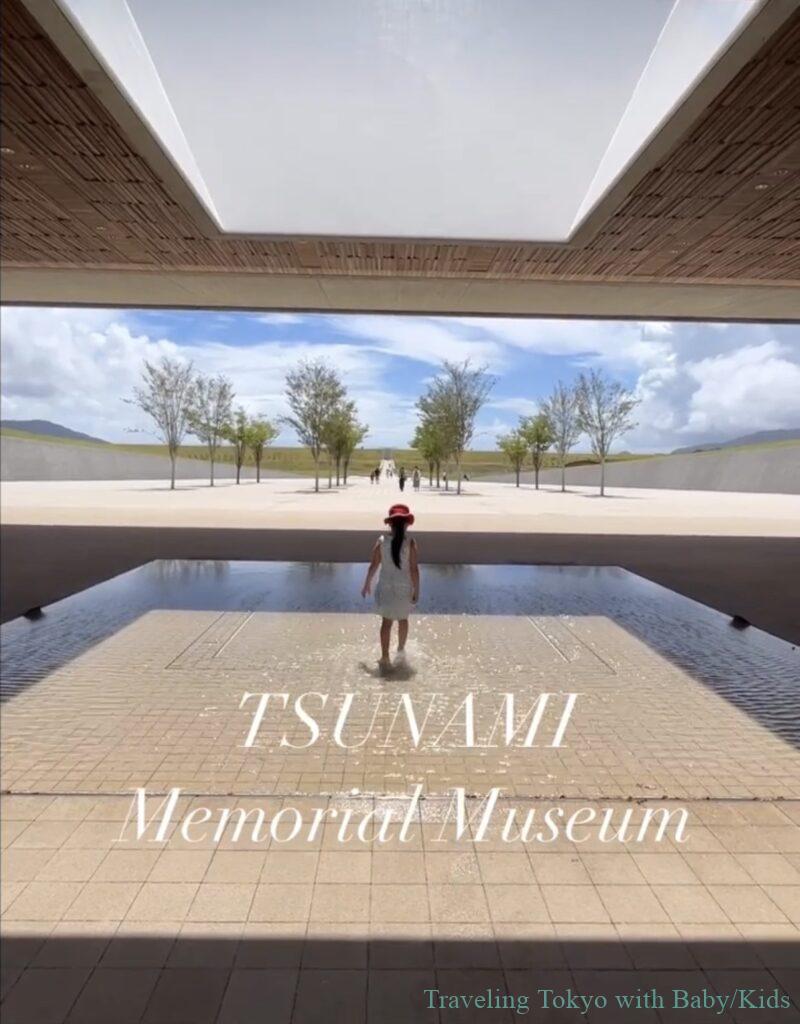
Iwate Tsunami Memorial Museum (Coast area)
This region was devastated by the Great East Japan Earthquake and tsunami in 2011.
Today, it stands as an important place where the lessons of that disaster are preserved and passed on to future generations. If you’re visiting Tohoku, I truly hope you’ll take the time to visit.
Must-Try Foods in Iwate
No trip to Iwate is complete without enjoying its incredible local cuisine.
Here are some of my favorites:
- Maesawa Beef – One of Japan’s finest premium wagyu brands
- Morioka Reimen – Refreshing cold noodles unique to the region
- Wanko Soba – A fun and uniquely Iwate dining experience
- Yakiniku – Iwate has a surprisingly strong yakiniku culture
- Traditional Mochi Dishes – Especially in southern Iwate, where many different styles of mochi are served
Each dish reflects the rich agricultural traditions and local culture of the region.
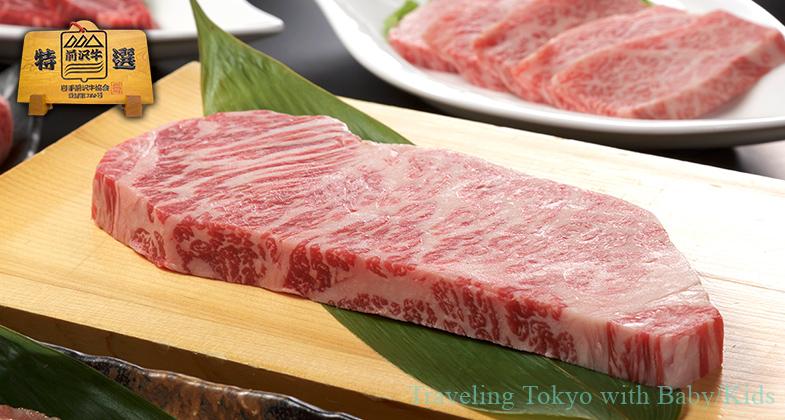
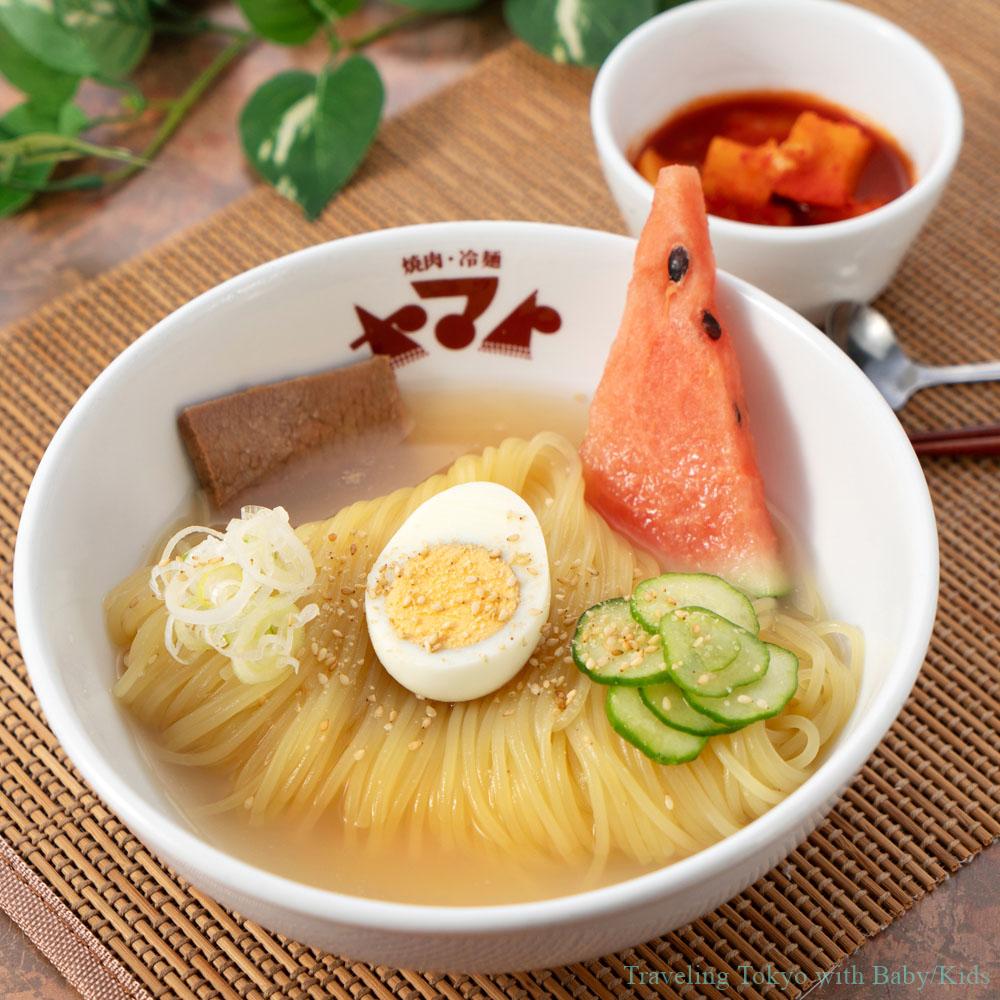
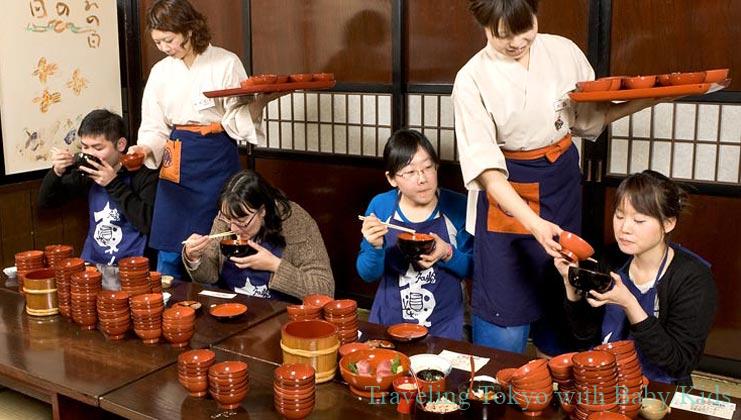
*image from “mori-hachi tai”
FAQ
Q1. Can I visit Shohei Ohtani’s childhood home?
I strongly recommend not doing so.
His family home is private property and is not open to visitors.
Local people deeply respect the privacy of Shohei and his family, and visiting private residences is not part of the local culture.
Instead, please enjoy the official Shohei-related attractions introduced in this guide.
Q2. Is there any chance of meeting Shohei Ohtani?
Realistically, no.
Even when Shohei returns to Japan during the off-season, public appearances in Oshu are extremely rare.
The local community has always believed in supporting him quietly from afar.
Q3. Is English widely spoken in Oshu?
Not really.
As Oshu is a rural city, English is not commonly spoken.
Using a translation app will make your trip much easier.
That said, people in Iwate are known for being incredibly warm and helpful, so don’t hesitate to ask if you need assistance.
Q4. How many days should I spend in Oshu?
If you’re only visiting Shohei Ohtani-related attractions, half a day to one full day is enough.
If you’d also like to visit Hiraizumi, Ichinoseki, and Hanamaki Onsen, I recommend spending two to three days in the area.
Q5. Can I visit Shohei Ohtani’s high school?
Hanamaki Higashi High School is not a tourist attraction.
It is an active school where students continue to study every day.
If you visit the area, please be respectful and avoid entering school grounds or disturbing students and staff.

*when he was 20years old (photo from official)
Official Links
- Oshu City (Official Website)
- Oshu Tourism & Products Association (Official Tourism Website)
- Shohei Ohtani Hometown Support Association (Official Website)
For the latest tourist information, events, and official updates, please visit the following websites.

Final Thoughts
Mr.Shohei Ohtani has become one of the world’s greatest athletes.
But the place where he grew up remains wonderfully unchanged.
Oshu isn’t a destination filled with flashy attractions or crowds of tourists.
Instead, it’s a place where you’ll discover the peaceful landscapes, warm-hearted people, and beautiful natural surroundings that helped shape one of baseball’s greatest players.
If you ever have the opportunity to visit Oshu, I hope you’ll not only follow in Shohei Ohtani’s footsteps but also discover the quiet beauty of rural Japan.
This is not a place built for tourism.
It’s a real hometown where people live their everyday lives. That’s exactly what makes it special.
Recent posts;



Be First to Comment